
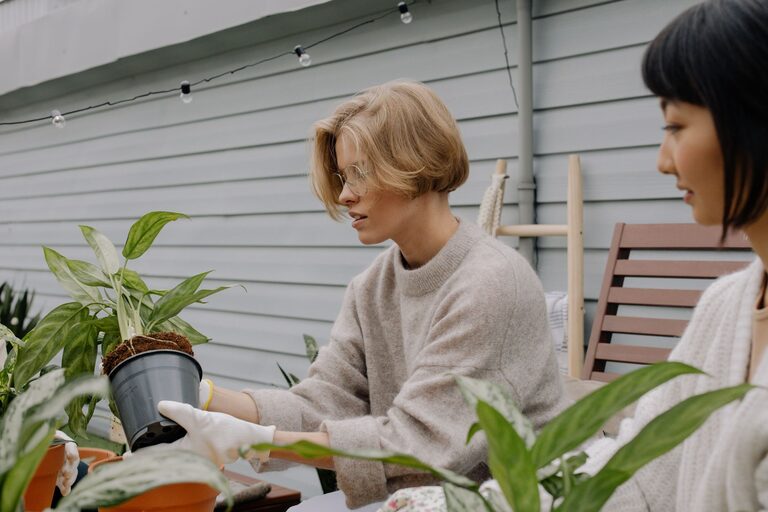
Creating a sustainable home garden year-round is a rewarding way to enjoy fresh produce, enhance your outdoor space, and reduce your environmental impact. Whether you have a large backyard or just a balcony, you can cultivate plants that thrive in every season while adopting eco-friendly gardening habits. This guide offers practical tips to help you develop and maintain a sustainable garden all year long.
Understanding Sustainability in Gardening
Sustainability in gardening means using methods that protect natural resources, conserve water, reduce waste, and support wildlife. Sustainable gardens aim to work with nature rather than against it, promoting soil health and biodiversity.
Some key principles include:
– Reducing the use of chemical fertilizers and pesticides
– Conserving water through efficient irrigation
– Recycling organic waste via composting
– Choosing native or adapted plants that require less care
Planning Your Year-Round Garden
Choose the Right Plants
Selecting plants that suit your climate and soil conditions reduces the need for extra water, fertilizer, or pest control. Focus on:
– Native plants: These are naturally adapted to your area and often more resilient.
– Perennials: These plants come back year after year, reducing the need to replant.
– Edible plants with staggered harvests: Grow a variety of vegetables and herbs that mature in different seasons to enjoy fresh produce year-round.
Create a Planting Calendar
Map out when to plant seeds or seedlings based on your local growing seasons. This helps you rotate crops effectively and avoid overusing your soil.
Soil Health: The Foundation of Sustainability
Healthy soil sustains plants, absorbs water, and minimizes erosion.
Build Nutrient-Rich Soil
– Add organic matter regularly: Compost, leaf mulch, and aged manure improve soil texture and fertility.
– Practice crop rotation: Growing different types of plants in succession helps prevent nutrient depletion and reduces pests.
– Avoid soil compaction: Limit walking on garden beds and use raised beds if needed.
Test Your Soil
A simple soil test informs you about pH levels and nutrient content so you can address any deficiencies naturally.
Water Conservation Techniques
Water is often the most limited resource in gardening. Using water wisely supports sustainability.
Water Wisely
– Use drip irrigation or soaker hoses: These methods deliver water directly to roots, minimizing evaporation.
– Water early in the morning or late in the evening: Cooler temperatures reduce water loss.
– Collect rainwater: Set up barrels to gather rain, cutting down on tap water use.
Mulch Your Garden Beds
Mulching keeps soil moist longer, suppresses weeds, and slowly adds organic matter as it breaks down.
Eco-Friendly Pest and Weed Management
Sustainability means avoiding harsh chemicals that can harm beneficial insects and contaminate soil.
Encourage Beneficial Insects
Ladybugs, bees, and predatory wasps help control pests naturally. Plant flowers like marigolds, sunflowers, and daisies to attract them.
Use Integrated Pest Management (IPM)
Monitor pest levels and use targeted methods such as hand-picking pests, natural sprays (like neem oil), or companion planting to deter unwanted insects.
Manual Weed Control
Pull weeds by hand or use tools to minimize herbicide usage. Mulch also helps prevent weed growth.
Composting: Recycling at Home
Transforming kitchen scraps and garden waste into compost returns valuable nutrients to your soil.
Start Your Own Compost Bin
– Include fruit and vegetable scraps, coffee grounds, eggshells, and grass clippings.
– Avoid meat, dairy, and oily foods to prevent pests.
– Turn your compost regularly to speed decomposition.
Extending the Growing Season
With some adjustments, you can garden beyond traditional seasons.
Use Season Extenders
– Cold frames and cloches protect plants from frost.
– Row covers can shield from insects and temperature extremes.
– Greenhouses offer controlled environments for year-round growth.
Choose Hardy Varieties
Look for seeds labeled “cold-tolerant” or “fast-maturing” to maximize productivity in cooler months.
Maintaining Your Garden Sustainably
Reduce Waste
Recycle plant pots, use biodegradable materials, and repurpose old containers for planting.
Practice Minimal Tillage
Limit digging or turning the soil to maintain soil structure and preserve beneficial organisms.
Monitor and Adapt
Keep notes on what works well each season and adjust your practices to improve sustainability.
Conclusion
Building a sustainable home garden year-round is an ongoing journey that benefits the environment, your health, and your community. By choosing the right plants, caring for your soil, conserving water, managing pests naturally, and composting, you create a garden that thrives with less effort and impact. Happy gardening!