
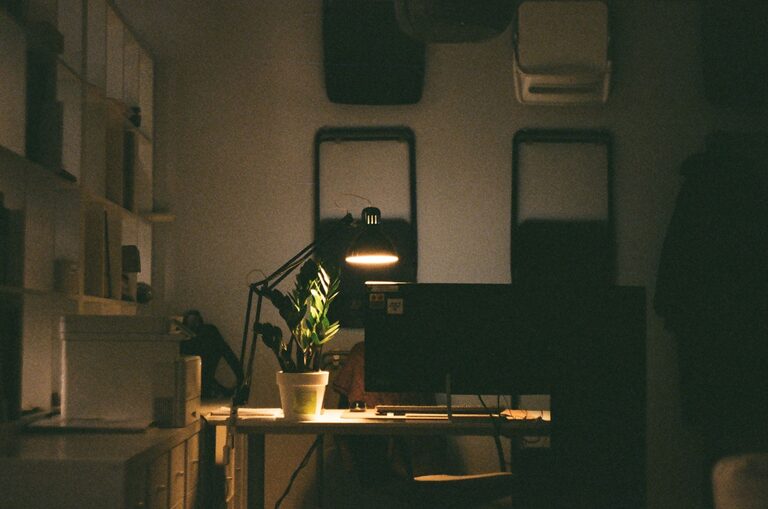
Creating a relaxing home workspace is essential for maintaining focus, reducing stress, and enhancing productivity. Whether you work remotely full-time or occasionally need a quiet place to tackle tasks, setting up an environment that feels calm and inviting can make all the difference. Here are practical tips to help you design a workspace at home that balances comfort and efficiency.
Choose the Right Location
Find a Quiet Spot
Selecting a location away from heavy foot traffic and noise sources can help minimize distractions. If possible, use a separate room to create a clear boundary between work and personal life.
Consider Natural Light
Position your workspace near a window to take advantage of natural light. Sunlight can boost your mood and energy levels, making it easier to stay focused.
Invest in Comfortable Furniture
Ergonomic Chair
A supportive chair tailored to your body helps prevent discomfort and health issues like back pain. Look for adjustable options to customize height, back support, and armrests.
Suitable Desk
Choose a desk with enough surface area for your equipment and tasks. Consider a standing desk or a convertible model to alternate between sitting and standing throughout the day.
Organize and Declutter
Keep Essentials Within Reach
Arrange frequently used items nearby to reduce unnecessary movement. Use organizers, trays, or drawers to keep papers, pens, and tech accessories tidy.
Minimize Clutter
A clean and clutter-free workspace lowers stress and improves focus. Regularly clear your desk and digital files to maintain order.
Use Calming Colors and Decor
Choose Soothing Colors
Soft hues like blues, greens, and neutrals can create a relaxing atmosphere. Avoid overly bright or intense colors that might increase tension.
Personalize Thoughtfully
Include a few personal items, such as artwork or plants, to make your space feel welcoming. Avoid overcrowding the area to keep it serene.
Control Noise and Sounds
Use Noise-Canceling Headphones
If your environment is noisy, noise-canceling headphones can help block distractions and create a private sound bubble.
Add Soft Background Sounds
Playing gentle music, white noise, or nature sounds can improve concentration and calm the mind.
Enhance Air Quality and Comfort
Ventilate the Area
Fresh air can improve alertness and reduce stuffiness. Open windows or use air purifiers for cleaner indoor air.
Maintain Comfortable Temperature
Adjust heating or cooling to a comfortable level. Being too hot or cold can distract and reduce productivity.
Manage Technology Wisely
Organize Cables
Tidy cables with clips or sleeves to prevent tangles and visual distractions.
Use Adjustable Lighting
Desk lamps with adjustable brightness help reduce eye strain, especially during evening hours.
Build Positive Work Habits
Take Regular Breaks
Step away from your desk periodically to rest your eyes and stretch your body.
Set Boundaries
Make clear distinctions between work time and personal time to prevent burnout and maintain balance.
—
By thoughtfully designing your home workspace with these tips, you can create a peaceful and productive environment that supports your well-being and work goals. Remember, small changes can have a big impact on how you feel and perform every day.