Creating a relaxing home workspace is essential for boosting productivity and maintaining focus throughout your workday. With many people continuing to work from home, having a dedicated, comfortable space can make a significant difference in how efficiently and happily you complete your tasks. Here are practical tips to help you transform any corner of your home into a calming, productive workspace.
Choose the Right Location
Selecting the best spot for your home workspace is the first step. Ideally, find a quiet area with minimal distractions. If possible, pick a room or nook that receives ample natural light. Natural light helps improve mood and reduce eye strain, making it easier to stay alert.
Consider these factors when choosing your location:
– Distance from high-traffic areas
– Accessibility to necessary outlets and Wi-Fi
– Enough space for your equipment and storage
Invest in Comfortable Furniture
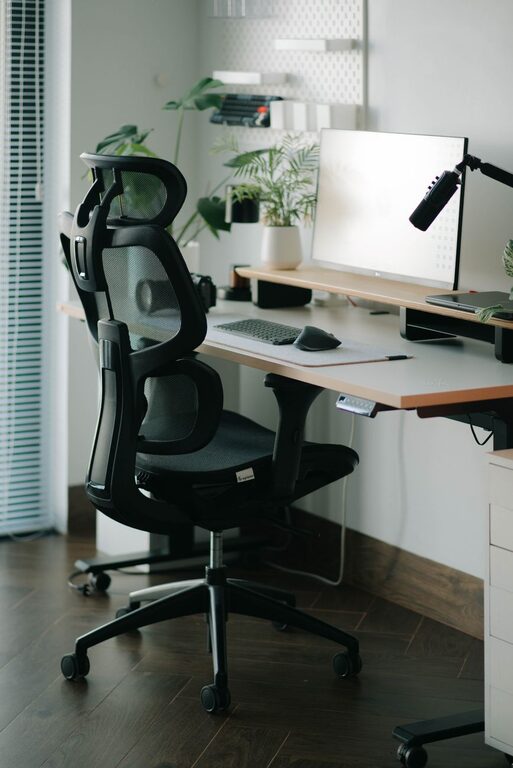
Your furniture should support good posture and comfort, especially if you spend long hours at your desk. A quality ergonomic chair and a desk with the right height can prevent back and neck pain. Look for chairs with adjustable height, lumbar support, and cushioned seating.
Additionally:
– Use a desk that fits your work style (standing desks can offer healthy movement options)
– Consider a footrest to reduce leg fatigue
– Keep frequently used items within easy reach to avoid strain
Optimize Lighting
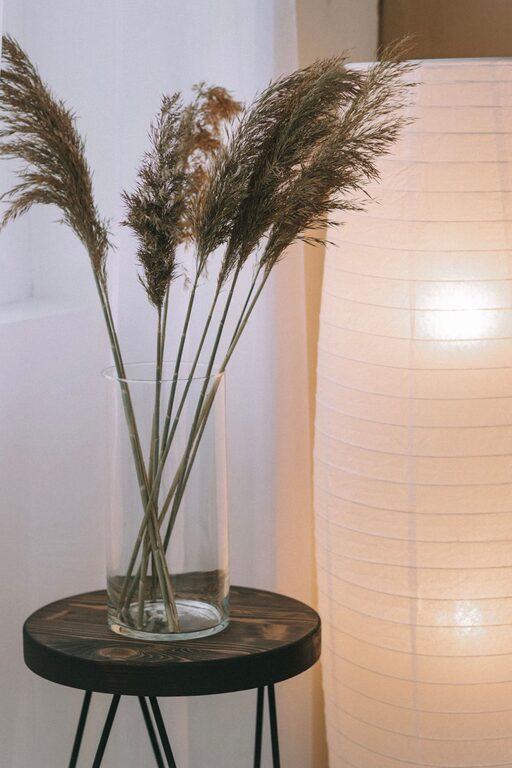
Proper lighting is key to creating a relaxing workspace. While natural light is best, supplement it with balanced artificial lighting to avoid shadows and glare.
Tips for lighting your workspace:
– Use a desk lamp with adjustable brightness for focused tasks
– Avoid overhead fluorescent lights that can cause eye strain
– Position your screen to minimize reflections
Declutter and Organize
Clutter can distract and stress you out. Keep your workspace tidy by organizing supplies, documents, and cables efficiently.
Here’s how to manage clutter:
– Use drawers, filing cabinets, or storage boxes to keep items out of sight
– Employ cable organizers to manage cords
– Declutter your desk daily to maintain a clean area
Add Calming Elements
Incorporate elements that contribute to a relaxing atmosphere without causing distractions.
Consider adding:
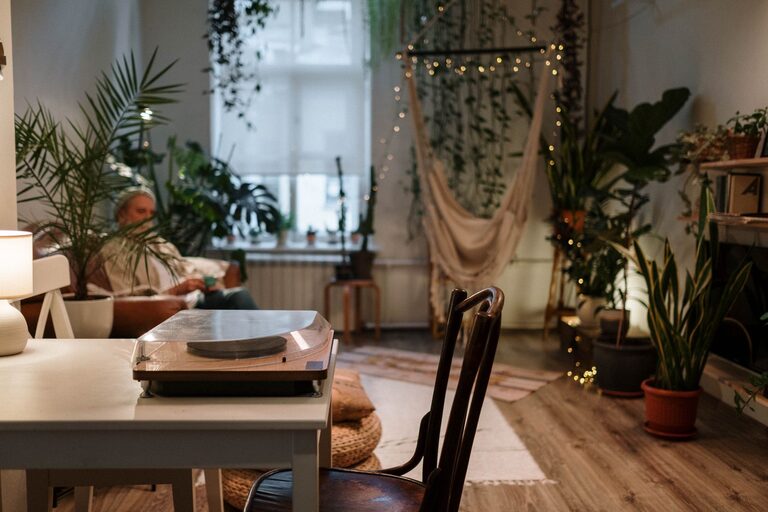
– Indoor plants to improve air quality and provide a calming effect
– Soft textiles like a cozy rug or cushion for comfort
– Personal touches such as artwork or photos that inspire you
Manage Noise Levels
Noise can disrupt your concentration. If your workspace is in a noisy area, try these solutions:
– Use noise-cancelling headphones or earplugs
– Play soft background music or white noise to mask distractions
– Add soft furnishings like rugs and curtains to absorb sound
Set Boundaries
Creating clear boundaries between work and personal life helps maintain focus during work hours and encourages relaxation afterward.
Tips include:
– Inform household members of your working hours and space
– Use a physical signal (like closing a door) to indicate when you are working
– Avoid mixing leisure items like TV remotes or gaming devices in your workspace
Incorporate Break Spaces
Even in a small home, having a spot away from your desk for breaks promotes relaxation and recharges productivity.
Ideas:
– A comfortable chair or small sofa
– A spot by a window for fresh air and natural light
– A designated area for stretching or light exercise
Keep Technology in Check
While technology is essential, it can also become overwhelming.
Manage it by:
– Organizing cords and devices neatly
– Using apps or tools to limit distractions and monitor screen time
– Keeping your computer and devices updated for smooth performance
Maintain a Routine
Finally, create a daily routine to help your mind recognize when it’s time to focus and when it’s time to unwind.
Suggestions:
– Start your day with a short ritual to get into “work mode”
– Schedule regular breaks to stretch, hydrate, and relax your eyes
– End your workday by tidying your workspace to prepare for the next day
—
By following these tips, you can build a home workspace that feels serene and supports your productivity. Remember, a workspace isn’t just about functionality—it’s also about creating a pleasant environment where you can thrive. Take time to assess your needs and personalize your space accordingly, and you’ll enjoy both your work and your home life more.