Creating a relaxing home workspace is key to maintaining productivity and well-being. Whether you’re working remotely, managing a home business, or just need a quiet place to focus, the right environment can make a big difference. This guide offers practical tips to help you design a workspace that feels calm and inviting, while supporting your daily work needs.
Why a Relaxing Workspace Matters
A cluttered or stressful work area can reduce concentration, increase anxiety, and slow you down. In contrast, a relaxing workspace helps you stay focused, feel comfortable, and work more efficiently. When your surroundings support your mental and physical health, you are more likely to maintain motivation and creativity throughout the day.
Choose the Right Location
Consider Natural Light
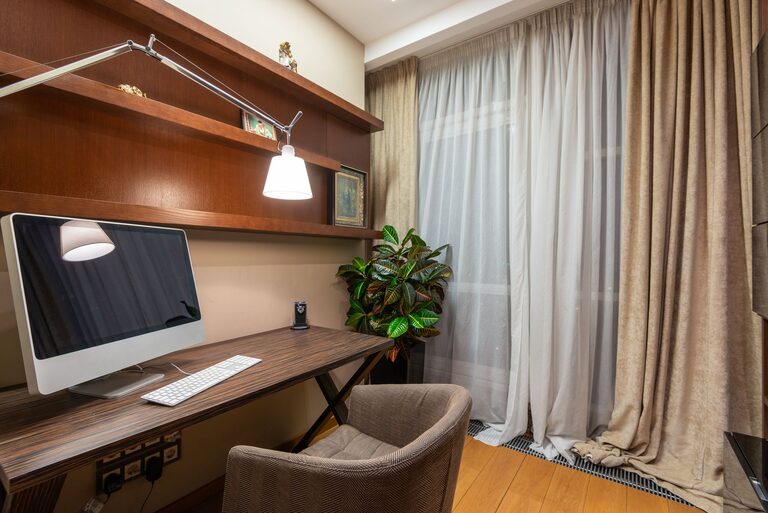
Placing your workspace near a window allows natural light to brighten your area, which improves mood and reduces eye strain. If natural light is limited, use warm, soft lighting with adjustable brightness to mimic daylight and keep your eyes comfortable.
Find a Quiet Spot
Choose a location with minimal noise and distractions. If you don’t have a separate room, consider noise-cancelling headphones or a white noise machine to create a more focused environment.
Design for Comfort and Ergonomics
Invest in a Good Chair and Desk
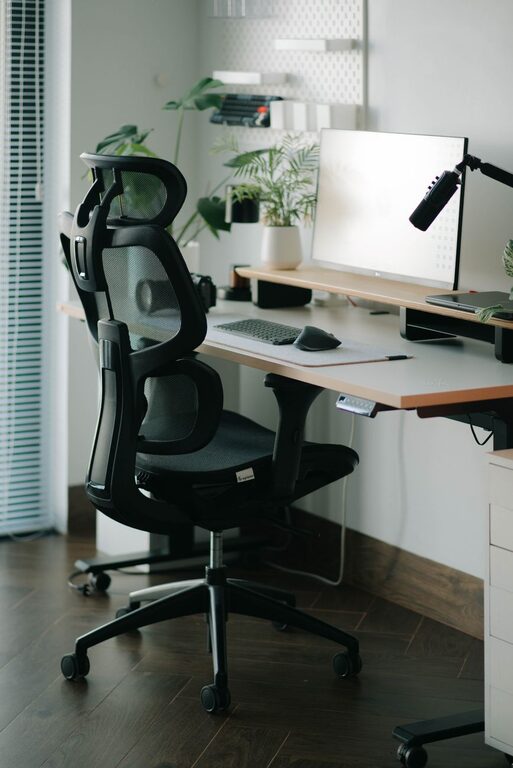
Comfort is essential when spending hours at your desk. Select an ergonomic chair that supports your posture and a desk at the right height to prevent strain. Your keyboard and mouse should be positioned to keep your wrists straight and your shoulders relaxed.
Organize Your Desk Layout
Keep frequently used items within easy reach to reduce unnecessary movements. Use cable organizers and storage solutions to keep cords and supplies tidy and accessible.
Add Soothing Colors and Decor
Choose Calm Colors
Soft, neutral tones such as pale blues, greens, or creams create a soothing atmosphere. Avoid overly bright or dark colors that can be distracting or tiring for your eyes.
Personalize with Meaningful Items
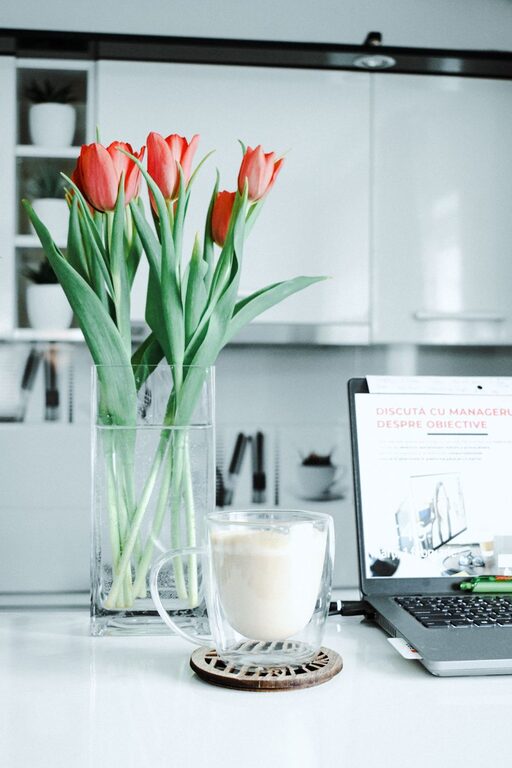
Add a few personal touches like plants, artwork, or photos that make you feel relaxed and inspired. Plants not only bring beauty but also improve air quality and add a sense of calm.
Minimize Clutter to Clear Your Mind
Declutter Regularly
A clean workspace reduces stress and helps you focus. Set aside time each day to tidy your desk and organize papers or digital files.
Use Smart Storage Solutions
Use drawers, shelves, and organizers to keep your workspace neat. Label storage containers to quickly find what you need without disruption.
Incorporate Relaxation Breaks
Schedule Short Breaks
Taking brief breaks throughout the day refreshes your mind and prevents burnout. Use these moments to stretch, meditate, or step outside for fresh air.
Create a Relaxation Corner
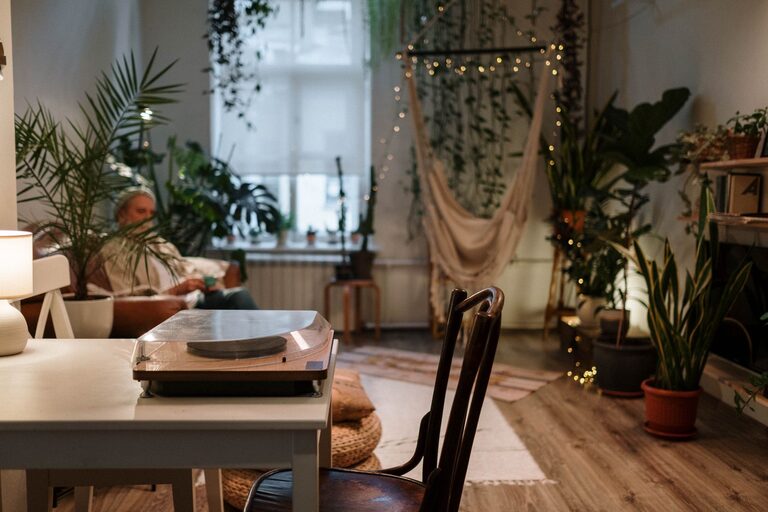
If space allows, have a small area near your workspace for relaxation with comfortable seating or cushions. This area can be perfect for mindfulness exercises or reading during breaks.
Manage Digital Distractions
Turn Off Non-Essential Notifications
Limit interruptions by disabling notifications on your computer and phone. Use focus modes or apps designed to block distracting sites while working.
Organize Digital Files
Keep your computer desktop and folders well organized to quickly access work files and reduce digital clutter.
Maintain Good Air Quality and Temperature
Ensure Proper Ventilation
Good airflow can help you stay alert and prevent stuffiness. Open a window when possible or use a fan to circulate air.
Keep a Comfortable Temperature
Maintain a temperature between 68-72°F (20-22°C) to stay comfortable without feeling too hot or cold.
Establish a Work Routine
Set Consistent Work Hours
Having a regular schedule can improve productivity and make transitioning between work and relaxation easier.
Define a Start and End Ritual
Create simple rituals like making a cup of tea or stretching before and after work to signal the beginning and end of your workday.
—
By thoughtfully designing your home workspace with relaxation and productivity in mind, you’ll create an environment that supports your best work and well-being. Start with small changes, evaluate what works best for you, and enjoy the benefits of a calm and efficient home office.